
Auto-published by Growwh – a smarter way to scale content and marketing. Want to know more? Chat with us.
TL;DR: NGT has given GNIDA one month to file an affidavit on illegal constructions and groundwater extraction; UPPCB verified 16 of 24 sites.
Buyers and investors should pursue strict due diligence and monitor enforcement; authorities must submit site-wise verification and remediation plans by the next hearing.
Overview
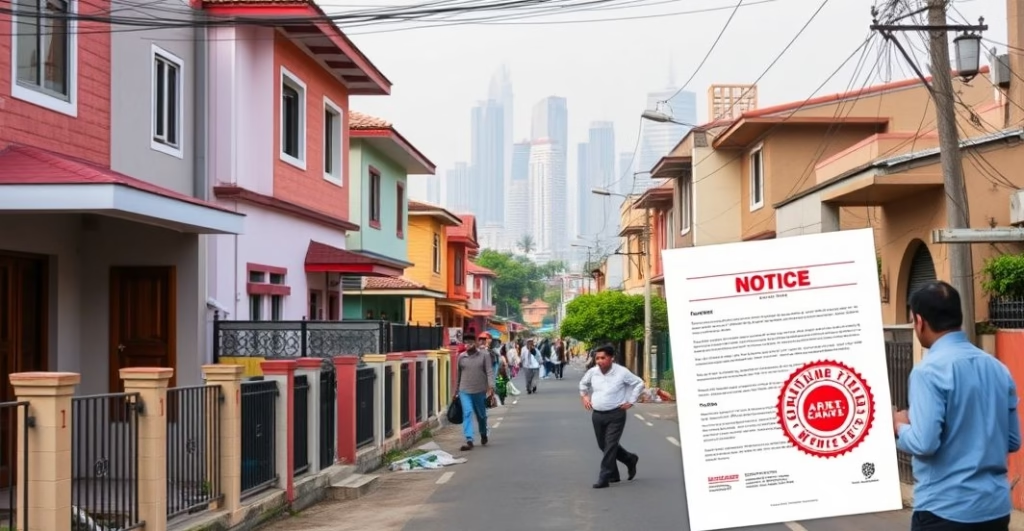
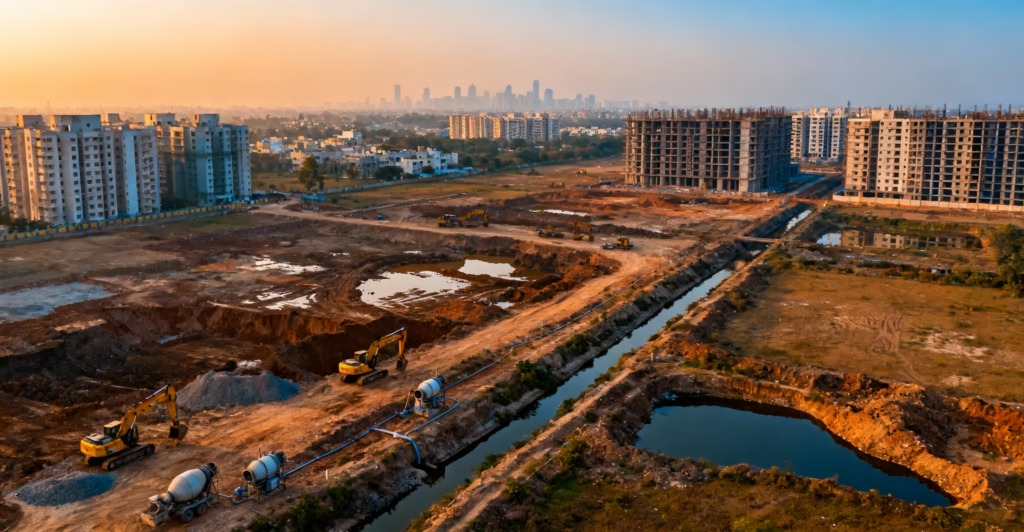
The National Green Tribunal (NGT) has directed the Greater Noida Development Authority (GNIDA) to file an affidavit within one month detailing action taken on illegal constructions and groundwater extraction across Greater Noida. The move follows a petition alleging unauthorised residential colonies and commercial establishments were extracting groundwater without permission and discharging sewage in the open.
What the NGT order means
The tribunal previously asked for an action taken report; when no response was received, NGT set a strict one-month deadline and scheduled the next hearing for April 8. The order underscores regulatory urgency: local authorities must now document site-wise compliance, remedial steps and timelines for enforcement.
Key facts from the recent filings
- A petitioner identified multiple illegal construction sites and alleged unauthorised groundwater extraction and sewage discharge.
- The Uttar Pradesh Pollution Control Board (UPPCB) conducted ground verification and confirmed illegal construction, completed or ongoing, at 16 of the 24 listed sites—but did not take enforcement action because built-up area figures could not be independently confirmed.
- UPPCB has stated the consent to establish/operate norms trigger primarily for projects over 5,000 sq. m., and it sought GNIDA cooperation on built-up area confirmation via a letter dated December 19, 2025.
Why built-up area and groundwater rules matter
Whether a project crosses a technical threshold or not, groundwater extraction and untreated sewage discharge pose serious environmental and public health risks. The petition has asserted that the core issue is environmental impact regardless of project size—an argument the tribunal is now putting to the authorities to address.
Implications for developers, residents and buyers
Pending compliance checks create immediate risks for buyers and investors who may face legal, financial and construction halts. Developers operating without proper clearances could face sealing, fines or litigation. Prospective buyers—especially NRIs and other remote investors—should exercise extra caution and verify statutory clearances before transactions. For NRI investors, an added layer of protection is to follow legal due diligence for NRI property buyers in India to ensure projects meet environmental and regulatory norms.
Local development pressure and market signals
Greater Noida has been a focus of expanding infrastructure and residential demand. Large transit and infrastructure initiatives can create hotspots that attract rapid development; understanding the intersection of regulatory compliance and market opportunity is critical. If you’re tracking growth corridors, consider broader connectivity trends such as the Delhi Metro Expansion: Luxury Property Hotspots? analysis, which explores how transit projects re-shape demand and pressure local authorities to tighten enforcement.
What authorities must provide
The tribunal’s one-month timeline requires GNIDA to submit a detailed, site-wise affidavit including:
- Verification of the listed locations and their exact built-up areas.
- Records of permissions granted (if any) and the status of environmental clearances.
- Actions taken or planned to stop unauthorised groundwater extraction and to remedy sewage discharge (sealing, remediation, penalty orders).
- Clear timelines for enforcement and public disclosure mechanisms so residents and buyers can track progress.
Advice for stakeholders
Buyers, investors and residents should monitor filings and enforcement steps closely. Real estate stakeholders—especially those based abroad—should rely on verified insights and specialist updates. For NRI investors looking for focused market intelligence and compliance perspectives, see NRI Realty Edge insights which highlight regulatory risks and investment checkpoints specific to overseas buyers.
Next steps and expectations
Expect heightened scrutiny and potential actions once GNIDA files the affidavit. The UPPCB’s confirmation that 16 sites likely violate norms raises the probability of enforcement if GNIDA corroborates those findings. The NGT’s involvement tends to accelerate inter-agency coordination; outcomes may include site closures, remediation orders or formal penalties.
Bottom line: The tribunal’s deadline is a pivotal moment for Greater Noida’s regulatory accountability. Developers must ensure clearances and environmental compliance; buyers should prioritize legal due diligence and transparent records before committing funds.
This article was auto-generated as part of a smart content campaign powered by Growwh.com. Curious how we do it? Chat with us to learn more about our content automation systems.