
Auto-published by Growwh – a smarter way to scale content and marketing. Want to know more? Chat with us.
TL;DR: YEIDA has issued 10-day notices to 366 allottees to execute lease deeds or face cancellation. Allottees seek a pause for pending zero-period exemption decisions and request registry camps or short extensions.
YEIDA issues 10-day ultimatum to allottees
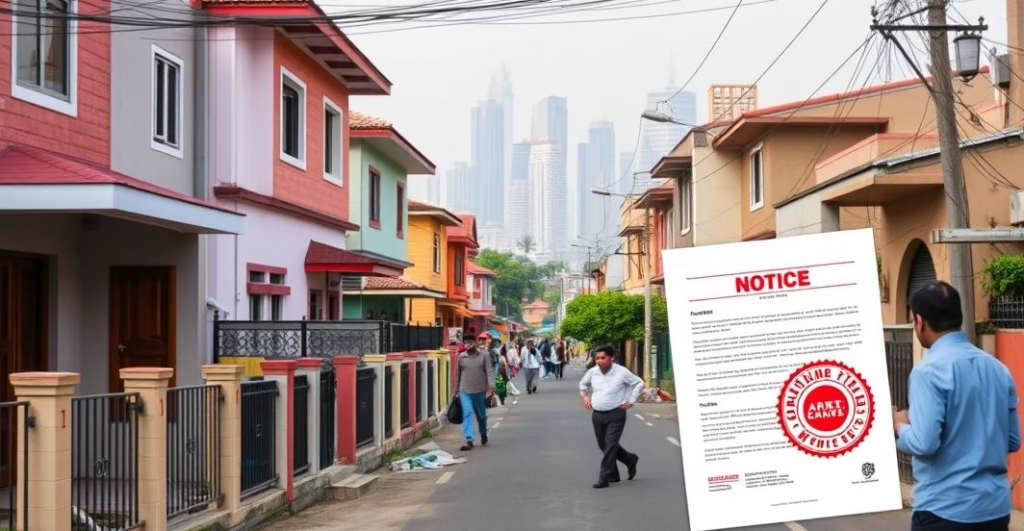
The Yamuna Expressway Industrial Development Authority (YEIDA) has issued 10-day notices to 366 plot allottees across Yamuna City, directing them to execute lease deeds immediately or face cancellation of their allotments. YEIDA officials say a verified checklist required for registry was shared months ago, but many allottees did not complete the process despite reminders. The authority has now started cancellation proceedings and uploaded the names of defaulting allottees on its website.
Why registry matters
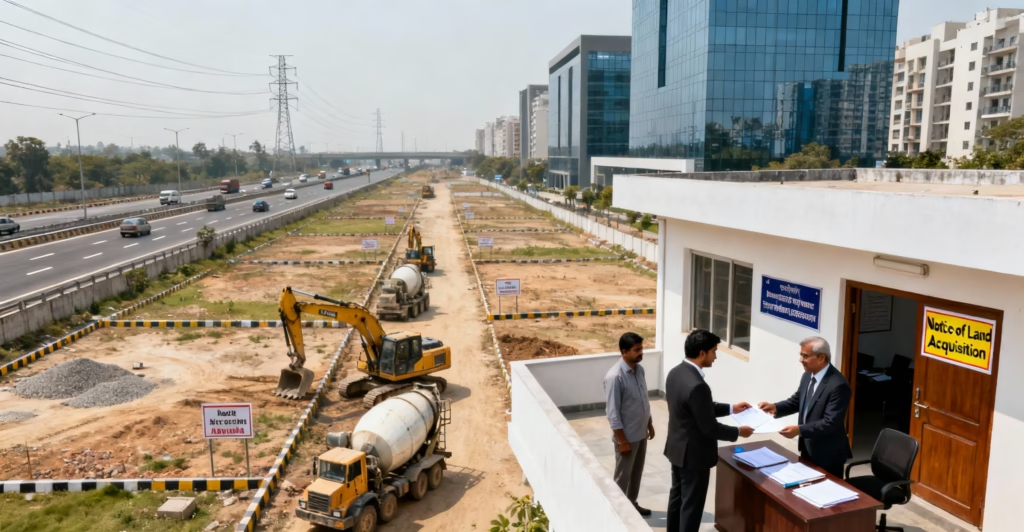
Registry and lease-deed execution are the critical first steps in activating industrial land. Only after a lease deed is executed can possession be granted, layout plans approved and construction begin. Incomplete registries have stalled possession of industrial plots, delaying manufacturing and related economic activity in the Yamuna Expressway corridor.
Allottees push back: zero-period exemptions and extensions
Allottee groups have expressed concern because many have been waiting for possession for years. The Yamuna Expressway Entrepreneurs Association (YEEA) and other representatives have requested YEIDA to pause cancellations where applications for a “zero-period” exemption remain pending. Zero-period relief adjusts dues for periods when projects were stalled due to Authority-level delays, and several allottees claim their applications have been pending despite court directions for reasoned orders.
The representatives have proposed organizing a joint registry camp with YEIDA once pending representations are resolved and asked for a 90-day extension without penalty after decisions on zero-period cases are communicated. Several allottees have already paid nearly the full amount for their plots; once zero-period adjustments are granted, many could be due refunds or credits.
Implications for industrial growth and nearby projects
YEIDA’s move to clear long-pending allotments is intended to speed up industrial activation along the corridor. Activating these plots is important as large infrastructure and commercial projects nearby increase demand for operational industrial land. Rising activity around the region has also been supported by new mixed-use and commercial developments, including options for retail, studio and office spaces that support the broader ecosystem, such as Nirala Gateway – retail, studio & office spaces in Sector 12, Noida Extension, established shopping and food-court hubs like Sikka Mall of Noida – retail, office & food court spaces on Noida Expressway, and nearby residential developments such as Smart World Sector 98 – premium residential apartments on Noida Expressway. Together, these projects create demand for faster handover of industrial land and prompt lease-deed execution.
What allottees should do now
- Review the YEIDA checklist immediately and prepare the verified documents required for lease-deed execution.
- If you have a pending zero-period exemption application, file a clear representation and request an interim stay or written confirmation from YEIDA before the 10-day deadline—document all communications.
- Coordinate with investor groups or associations to request a joint registry camp or a short penalty-free extension while pending administrative matters are decided.
- Consult legal counsel to understand cancellation risks and to prepare appeals if necessary; ensure payment receipts and correspondence are in order to support zero-period claims.
What developers and policymakers should consider
YEIDA’s ultimatum highlights the tension between administrative enforcement and procedural fairness. Policymakers should aim to:
- Ensure pending administrative representations—especially zero-period applications—are processed quickly with reasoned orders to avoid litigation and undue cancellations.
- Consider temporary, conditional registry arrangements or joint registry drives to clear technical backlogs while substantive claims are adjudicated.
- Communicate transparent timelines and a clear penalty framework to reduce confusion and encourage compliance.
Potential outcomes and timeline
If YEIDA proceeds with cancellations, defaulting allotments could be reallocated, potentially affecting investors who have already made substantial payments. Conversely, if zero-period exemptions are granted or extensions provided, many allottees could secure possession quickly and begin construction—accelerating industrial activation and providing downstream benefits to retail, logistics and residential sectors in the corridor.
Final takeaways
The next few weeks are critical. Allottees must act promptly to protect their interests—either by executing lease deeds or by formally and promptly pursuing pending zero-period exemptions. For policymakers and YEIDA, balancing enforcement with due process will determine whether the region sees rapid industrial activation or prolonged disputes that stall investment.
This article was auto-generated as part of a smart content campaign powered by Growwh.com. Curious how we do it? Chat with us to learn more about our content automation systems.