

Auto-published by Growwh – a smarter way to scale content and marketing. Want to know more? Chat with us.
TL;DR: UP-RERA’s 2026 amendments let buyers in unregistered projects file complaints and cap processing fees: ₹1,000 for family succession and ₹25,000 for non-family transfers. Ensure proper documentation and follow the authority’s new disclosure rules.
UP-RERA 10th Amendment — Key Changes Buyers Must Know
The Uttar Pradesh Real Estate Regulatory Authority (UP-RERA) notified important amendments effective March 25, 2026, that strengthen consumer protection and streamline transfer procedures. Two headline changes stand out: homebuyers in unregistered projects can now approach UP-RERA for grievance redressal, and promoters’ administrative charges for transfer or succession of allotments have been capped.
What the Amendment to Regulation 24 Means
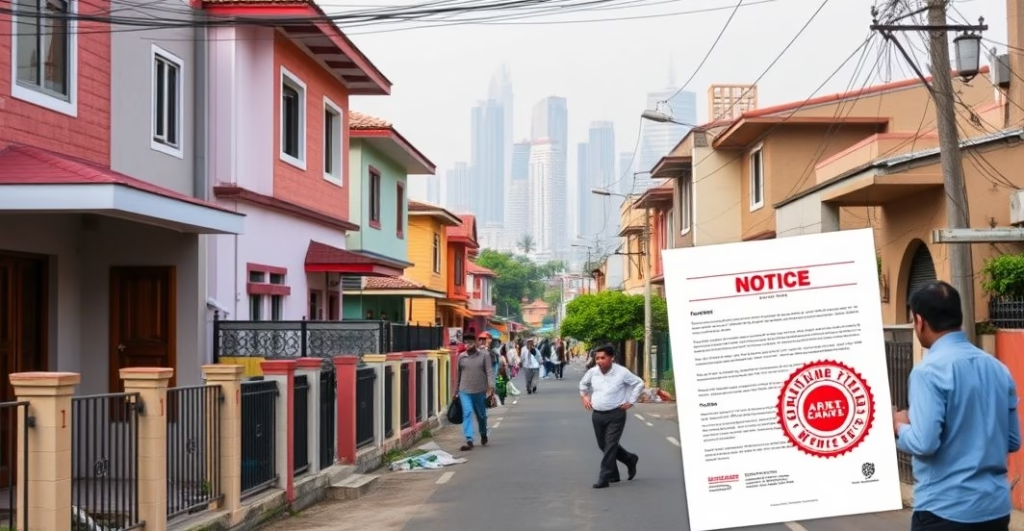
Under the revised Regulation 24, allottees of projects that were not registered with UP-RERA can file complaints with the authority. UP-RERA benches will first determine whether the project in question required registration under the RERA Act. If registration should have been obtained, the bench will refer the matter to the authority’s secretary to take appropriate action against the promoter before adjudicating the complaint on merits.
Because unregistered projects lack standardized public data, the authority will require additional disclosures from complainants and is planning a dedicated online mechanism on its portal to accept such complaints. This makes timely documentation and clear evidence crucial when filing a grievance.
New Caps under Regulation 47 — Transfer and Succession Charges
The amended Regulation 47 caps administrative charges levied by promoters during transfer or succession of property allotments:
- Succession by family members (on death of an allottee): processing fee capped at ₹1,000. Required documents typically include death certificate, succession certificate and no-objection letters from other legal heirs.
- Transfers to non-family members: processing fee capped at ₹25,000.
- Execution of a fresh sale agreement is not required; changes must be recorded as endorsements in the existing agreement and updated in the promoter’s records.
Practical Steps for Homebuyers and Successors
Actions to take if you are involved in an unregistered project or a transfer:
- Collect and preserve all communications, payment receipts, allotment letters, and the original agreement.
- For succession on death: arrange certified copies of the death certificate, succession certificate or legal heir certificate, and obtain NOCs from other heirs when required.
- If you suspect the project should have been registered, prepare a clear timeline of events, payments, and correspondence before filing with UP-RERA.
- Monitor the promoter’s records after any endorsement to ensure the change is properly updated.
Why This Matters — Consumer Impact
These amendments close a longstanding gap: previously, buyers in unregistered projects had limited recourse under RERA. Now, UP-RERA can adjudicate complaints after confirming whether registration was mandatory, offering a path to remedies where promoters have avoided regulatory oversight. Caps on transfer charges also protect successors and transferees from arbitrary administrative fees.
Due Diligence and Resources
Whether you are a resident homebuyer or based abroad, conducting thorough due diligence is essential. NRIs should pay particular attention to documentation and local compliance; relevant guidance on cross-border due diligence practices can be found in resources like Legal due diligence for NRI property buyers in India and specialized advisory platforms such as NRI Realty Edge. For quick answers to common scenarios under RERA, consult curated real estate FAQs that explain typical processes, timelines and required documents.
How to File a Complaint with UP-RERA (Checklist)
- Prepare a succinct complaint describing the issue and the relief sought.
- Attach supporting documents: agreement copies, payment proofs, correspondence, allotment letters and any photos or site evidence.
- If the project is unregistered, include a timeline and any evidence showing the promoter’s failure to register or comply with statutory obligations.
- Be ready for additional disclosures requested by UP-RERA to help the bench determine registration requirements.
Tips for Promoters and Real Estate Professionals
Promoters should update internal transfer procedures to reflect the new fee caps and endorsement practice. Maintaining transparent records and responding promptly to UP-RERA notices will reduce disputes. Brokers and consultants should advise clients—especially NRIs—to maintain certified copies of all documents and confirm endorsements are recorded in promoter records after a transfer.
Conclusion
The UP-RERA amendments of 2026 strengthen consumer protections by allowing complaints from buyers of unregistered projects and limiting transfer charges. Buyers and successors gain clearer pathways for redressal, while promoters must align internal processes to the new caps and disclosure expectations. For specific queries about your case or to prepare documentation, refer to the practical resources mentioned above and keep records organized before filing a complaint.
This article was auto-generated as part of a smart content campaign powered by Growwh.com. Curious how we do it? Chat with us to learn more about our content automation systems.