
Auto-published by Growwh – a smarter way to scale content and marketing. Want to know more? Chat with us.
TL;DR: Illegal sand mining was detected on the Yamuna riverbed in Noida Sector 126, leading to a Rs 5 lakh penalty and an FIR.
Authorities seized 33 vehicles previously, recovered fines, and NGT inspections found boundary breaches, illegal ramps and heavy machinery in the river flow.
Overview
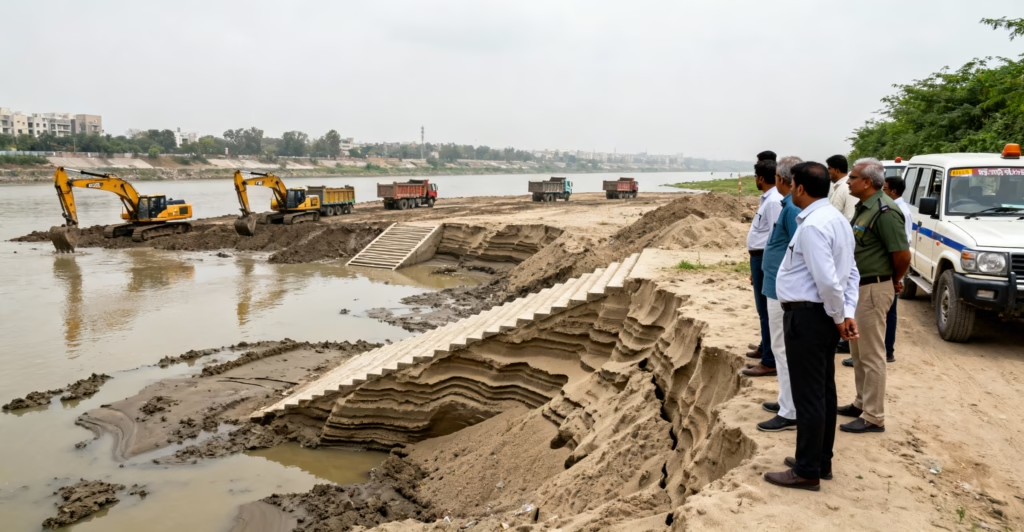
Local authorities uncovered illegal sand mining along the Yamuna riverbed at Raipur Khadar village in Noida’s Sector 126. A field inspection found unauthorised extraction across a partially submerged area of about 58.969 hectares. The leaseholder was slapped with a Rs 5 lakh penalty and an FIR was registered after officials confirmed violations of the Uttar Pradesh Minor Mineral (Concession) Rules, 2021.
What happened on the ground
The joint inspection by the deputy collector of GB Nagar, the Dadri tehsildar and the district mining officer revealed that mining activity went beyond permitted boundaries. Although the lease for ordinary sand had been granted since 2021 to M/s Balaji Enterprises, officials found illegal ramps, heavy machinery operating within the river’s flow and unauthorised extraction in submerged zones. An FIR names the leaseholder’s representative and unidentified miners, and cites breaches under relevant sections of the Mines and Minerals (Development and Regulation) Act.
- Area affected: about 58.969 hectares in the riverbed.
- Penalty imposed: Rs 5,00,000 on the leaseholder.
- Legal action: FIR registered against the leaseholder’s representative and other unidentified persons.
- Earlier enforcement: in Dec 2025 authorities seized 33 vehicles and recovered fines totaling Rs 12,39,730.
Legal and environmental implications
The Uttar Pradesh Minor Mineral (Concession) Rules, 2021 set the framework for minor-mineral leases, environmental safeguards and leaseholder responsibilities. Violations such as mining in the river stream, construction of illegal ramps and operating heavy machinery during restricted periods contravene both the lease terms and environmental mandates. A National Green Tribunal-ordered inspection of Yamuna floodplains between Delhi and Ghaziabad also flagged large-scale breaches, reinforcing the need for strict enforcement to protect floodplain ecology and groundwater recharge zones.
Enforcement timeline and penalties
Following the surprise inspections and evidence of unauthorised activity, authorities moved swiftly: vehicles involved in illegal transport were seized, fines were imposed and recovered, and criminal complaints were filed. The FIR references specific statutory violations and supports further action, including seizure of equipment, cancellation of leases and prosecution under central and state mining laws.
Why this matters for local residents and investors
Unchecked riverbed mining destabilises banks, degrades habitats and raises flood risk — factors that also affect nearby development and property values. Residents along Yamuna floodplains face ecological and safety risks, while transparency and compliance in mining are essential for responsible urban growth. For those watching real estate dynamics along the Yamuna Expressway and adjacent corridors, it’s important to track enforcement updates and environmental clearances. Major projects and commercial nodes on the expressway can be indirectly affected by regulatory and ecological developments — for instance, prospective buyers and investors often research developments such as Gaur Yamuna City on Yamuna Expressway and nearby commercial hubs like ACE YXP on Yamuna Expressway. Broader infrastructure changes such as the Delhi Metro Expansion and luxury property hotspots also influence demand and oversight priorities in the region.
Practical steps and recommendations
For stakeholders — residents, local governments and developers — addressing illegal sand mining requires coordinated action:
- Strengthen on-site monitoring and surprise inspections, especially in floodplain and submerged zones.
- Ensure leaseholders follow environmental safeguards, seasonal restrictions under GRAP and clearly defined lease boundaries.
- Promote transparent reporting channels so residents can flag suspicious activity quickly to authorities.
- Support restoration of disturbed riverbanks and consider alternatives for sustainable sand sourcing.
What to watch next
Authorities have already begun legal proceedings and collections of fines; the next steps may include cancellation of the lease, further seizures, and prosecution of responsible parties if investigations confirm prolonged or aggravated violations. Continued oversight from courts, tribunals and district administrations will be critical to deter repeat offences and protect the Yamuna floodplain ecosystem.
Conclusion
Illegal sand mining along the Yamuna near Noida highlights persistent governance and environmental challenges. Effective enforcement, transparent leases and community vigilance are necessary to protect riverine ecosystems and ensure sustainable development near major infrastructure corridors.
This article was auto-generated as part of a smart content campaign powered by Growwh.com. Curious how we do it? Chat with us to learn more about our content automation systems.