

Auto-published by Growwh – a smarter way to scale content and marketing. Want to know more? Chat with us.
TL;DR: UP-RERA fined three projects ₹5L each for promoting and selling unregistered developments in Noida and Lucknow. Buyers and NRIs must verify RERA registration and perform legal due diligence before booking.
UP-RERA penalises three projects for unregistered promotions — what buyers must know
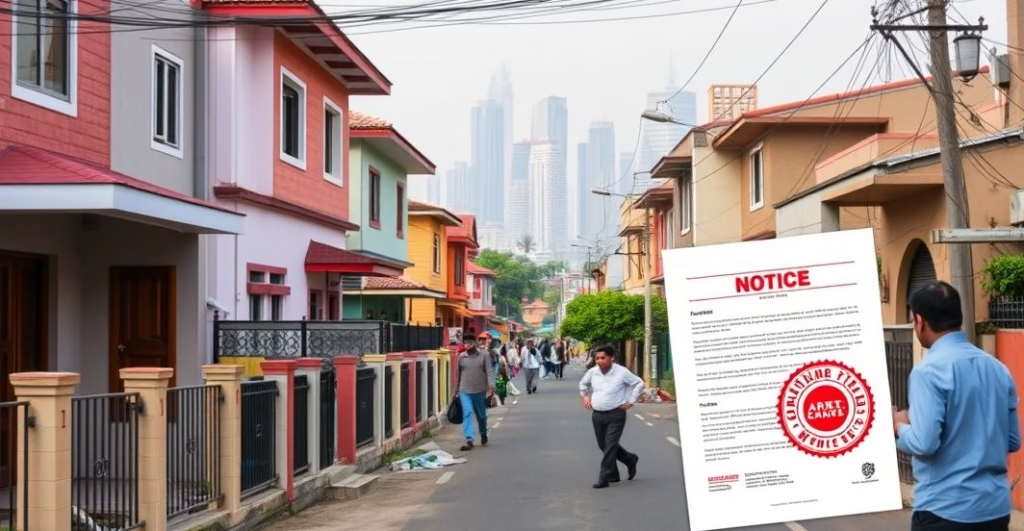
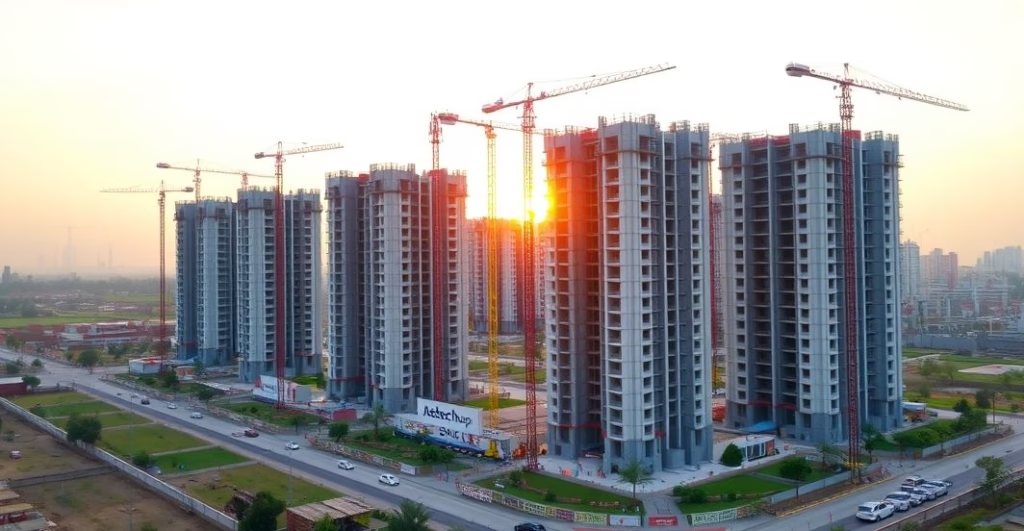
The Uttar Pradesh Real Estate Regulatory Authority (UP-RERA) has imposed penalties of ₹5 lakh each on three real estate projects for promoting and selling units without mandatory RERA registration. The affected developments include Estate 105 (Max Estate), Sobha Rivana (Sobha) in Noida, and Avikalp Estate (Dhanushkothi Builder & Developer) in Lucknow. This enforcement action underscores RERA’s zero-tolerance approach to unregistered project promotions and is a reminder for buyers to verify registration before booking.
What UP-RERA found and the legal basis
During its 198th meeting, the authority determined that these projects were being advertised on digital platforms and, in at least one instance, sold without completing the mandatory RERA registration process. Section 3 of the Real Estate (Regulation and Development) Act, 2016 requires registration prior to any marketing, booking or sale for projects above the specified thresholds (land area >500 sq metres or more than eight units). Notices were issued to promoters; unsatisfactory replies led to penalties being applied under Section 59.
Penalties, risks and enforcement trend
- Each project was fined ₹5 lakh; cumulative recent enforcement by UP-RERA totals ₹63 lakh across 13 projects in Noida, Ghaziabad, Lucknow and Mathura.
- Violations of RERA can attract penalties up to 10% of project cost, and continued non-compliance may lead to further penalties or imprisonment.
- Promotion or sale of unregistered projects is treated as a serious offence to protect transparency and homebuyer rights.
Why this matters to buyers (and NRIs)
Buying into an unregistered project exposes buyers to multiple risks: no regulatory oversight of project timelines, unclear escrow and financial disclosures, weak dispute resolution pathways, and limited remedies under RERA. NRIs and domestic buyers alike should always confirm a project’s RERA registration and review the registration details before making payments or signing agreements.
If you are an NRI researching property options or want to understand specific legal checks, consult a detailed guide such as Legal due diligence for NRI property buyers in India to ensure compliance with documentation, title verification and repatriation rules.
Spotting red flags before you book
- Project marketing begins online or offline but no RERA registration number provided.
- Promoters ask for large advances without a formal agreement or registration proof.
- Price quotations or brochures promise unrealistic delivery timelines or returns.
- Discrepancies between builder claims and public records or municipal approvals.
Practical checklist: Verify before you pay
- Ask for the RERA registration number and verify it on the state RERA portal.
- Request copies of the sanctioned plan, land title documents and project approvals.
- Confirm the promoter’s past project performance and complaint history.
- Keep payments traceable and linked to milestones defined in a registered builder-buyer agreement.
Implications for Noida and market context
Noida remains a hotspot for residential investment and new launches. Infrastructure projects and transit expansions can accelerate demand and prompt early promotions by developers. For broader context on how infrastructure shifts can create luxury and premium hotspots, see analysis such as Delhi Metro expansion and luxury property hotspots, which explains why buyers must be cautious about pre-launch offers tied to future connectivity claims.
Advice for NRIs and remote investors
NRIs face distinct documentation and repatriation concerns when buying in India. Stay informed with resources dedicated to non-resident buyers like NRI Realty Edge: real estate insights for NRIs, and always engage a local legal advisor to perform title searches, check RERA registration and confirm the developer’s track record before making commitments.
What buyers should do now
- Demand the project’s RERA registration number and validate it on the UP-RERA portal or the relevant state RERA site.
- If you have already booked in an unregistered project, seek legal advice to understand remedies and consider filing a complaint with the state RERA authority.
- Document all communications with the promoter and avoid further payments until registration and approvals are confirmed.
Bottom line
UP-RERA’s action signals continuing regulatory vigilance: promoters who market or sell unregistered developments face penalties and reputational damage, while buyers are reminded to exercise due diligence. Whether you’re a local purchaser or an NRI investor, verifying RERA registration and following a careful checklist can prevent costly mistakes and protect your investment.
Stay vigilant: always confirm registration, demand transparent disclosures, and consult legal experts before signing or paying for under-construction properties.
This article was auto-generated as part of a smart content campaign powered by Growwh.com. Curious how we do it? Chat with us to learn more about our content automation systems.