
Auto-published by Growwh – a smarter way to scale content and marketing. Want to know more? Chat with us.
TL;DR: Uttar Pradesh approved AHP and ARH under PMAY-U 2.0, offering Rs 2.5L aid and developer exemptions.
The policy includes stamp duty relief, rental housing for vulnerable groups, and incentives to accelerate delivery.
Overview
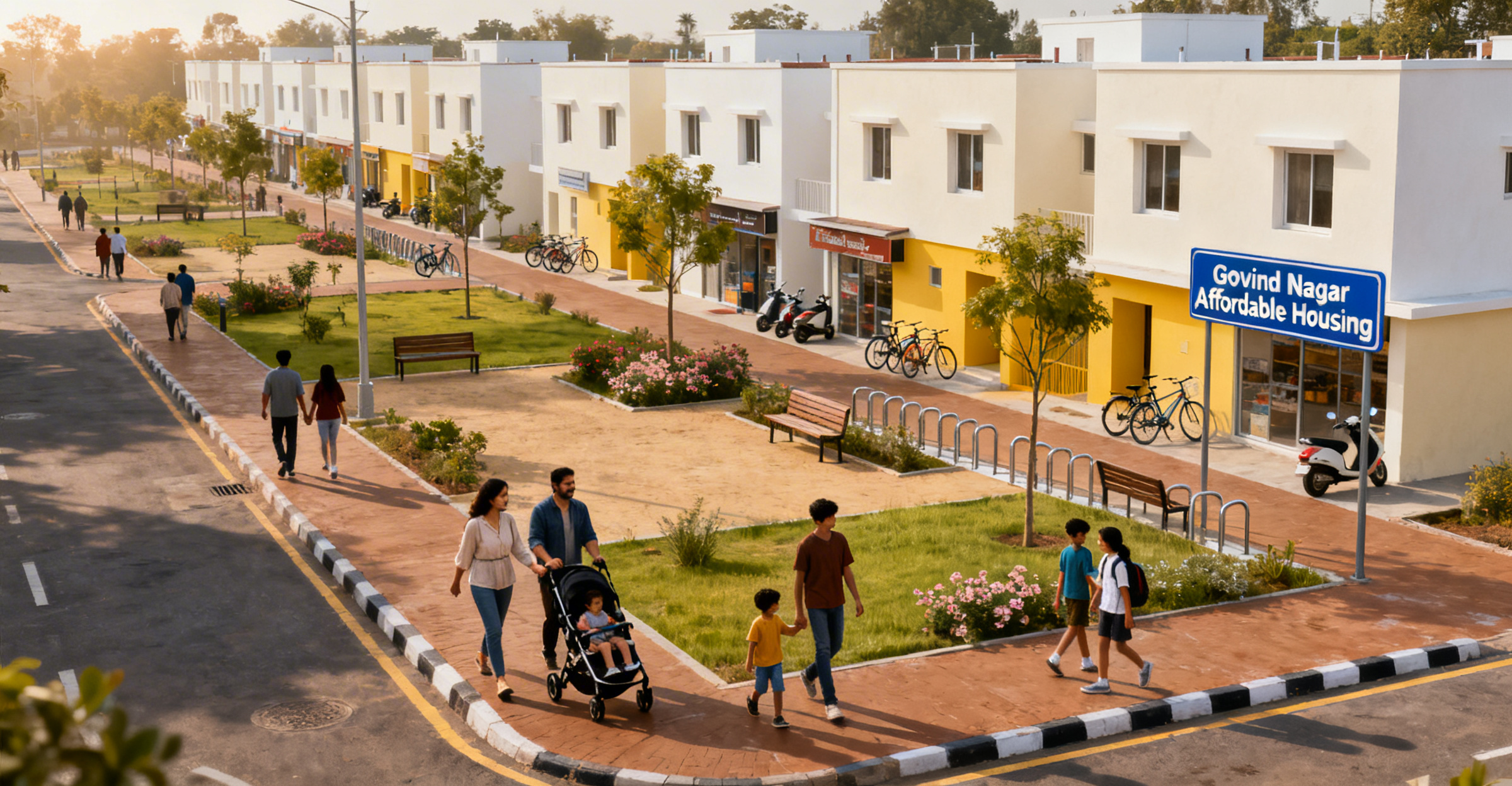
The Uttar Pradesh government has approved a new affordable housing policy under Pradhan Mantri Awas Yojana-Urban 2.0 (PMAY-U 2.0), enabling access to housing for middle-income and economically weaker sections. Each beneficiary under the scheme will receive Rs 1.5 lakh from the Centre and Rs 1 lakh from the state, totaling Rs 2.5 lakh in direct assistance. Developers working on whitelisted projects will get relief from land-use change charges, map approval fees and external development charges, and beneficiaries will see stamp duty relaxations to lower upfront costs.
What the AHP and ARH Components Mean
The policy implements two major components:
- Affordable Housing in Partnership (AHP): Public-private collaboration to deliver affordable ownership units with financial support and developer incentives to stimulate supply.
- Affordable Rental Housing (ARH): Model-2 invites private and public institutions to develop rental housing for urban poor segments—working women, industrial employees, EWS and LIG families—and manage operation and maintenance of these units.
Beneficiary and Developer Advantages
Key benefits for stakeholders include:
- Direct subsidy of Rs 2.5 lakh per eligible beneficiary (Centre + State).
- Exemptions for developers on land-use change charges, map approval fees and EDCs to reduce project costs.
- Stamp duty relaxations for beneficiaries to lower transaction expenses.
- Institutional operation and maintenance under ARH to ensure ongoing quality and management of rental assets.
How This Affects Buyers, Renters and Investors
For first-time buyers and low-income families, the combined subsidies and stamp duty relief make ownership and formal rental options more attainable. Renters from vulnerable groups can benefit from professionally managed ARH units tailored to urban working populations. Developers gain predictable incentives that can improve margins and accelerate delivery.
If you are an NRI or out-of-state investor looking at opportunities in Uttar Pradesh, it’s important to follow legal due diligence for NRI property buyers in India to verify title, approvals and compliance before committing to a purchase or rental investment.
Locations to Watch
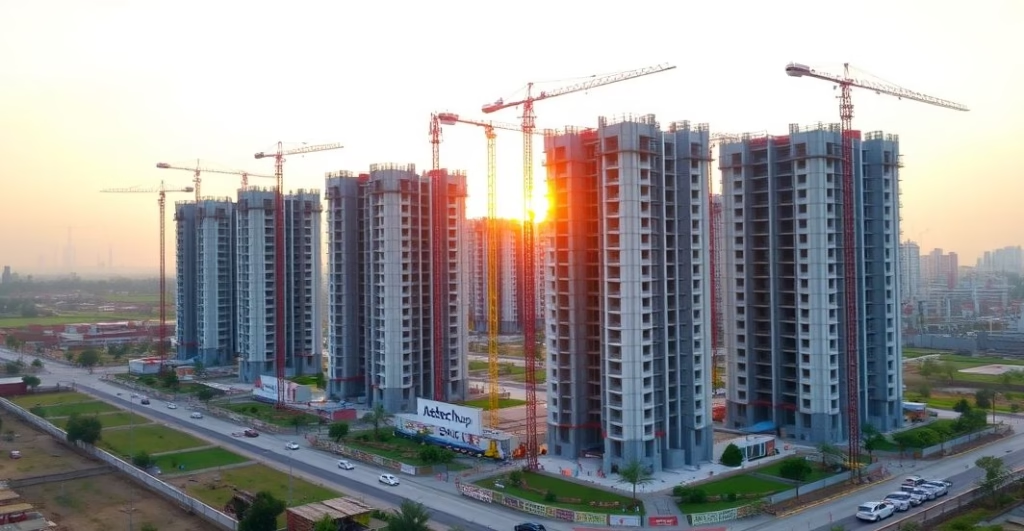
Metro connectivity and urban infrastructure upgrades typically drive demand for both affordable and premium housing. Areas with improving transport links and industrial growth—such as parts of Lucknow, Noida and satellite townships—are poised to benefit. The interplay between public transit expansion and property demand is highlighted in analyses of rail projects and premium markets; consider recent insights on Delhi Metro expansion and luxury property hotspots to understand how transit corridors can lift adjacent affordable housing demand as well.
Policy Risks and Operational Challenges
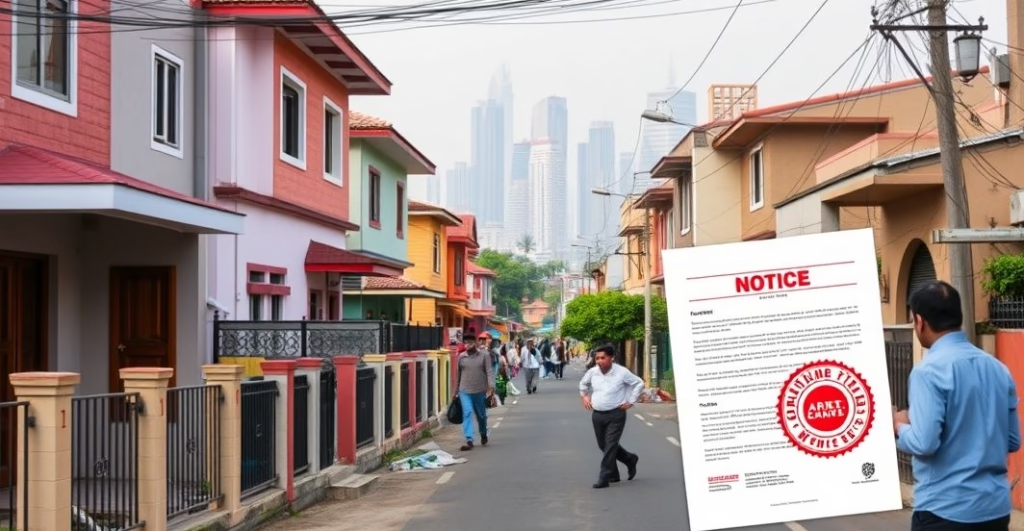
Past schemes have faced issues such as unauthorised occupation in certain legacy housing projects. The state finance department has acknowledged complaints related to irregular occupation of units built under earlier programmes, underlining the need for strong monitoring, transparent allotment processes and effective grievance redressal. For developers and policymakers, robust documentation, clear land titles and enforceable tenancy rules are essential to mitigate risk.
Long-Term Outlook and Wealth Strategy
Affordable housing backed by state and central support can create stable long-term rental and capital appreciation opportunities for conservative investors. To align a property portfolio with macro trends—urbanisation, income growth, and infrastructure expansion—consider strategic, multi-year planning. For guidance on positioning investments within the evolving market, explore ways to future-proof your wealth with Indian real estate trends in 2026, including diversification across affordable and transit-oriented assets.
Practical Steps for Applicants and Developers
- Verify eligibility criteria and document checklists before applying for subsidies.
- Developers: apply for project whitelisting promptly to secure exemptions and fast-track approvals.
- Institutions taking up ARH projects should plan for long-term O&M financing and social management systems to ensure sustainable tenancy and upkeep.
- Local authorities: publish allocation timelines and grievance mechanisms to prevent unauthorised occupation and disputes.
FAQ
Who is eligible for the subsidy? The scheme targets middle-income and economically weaker sections as defined under PMAY-U 2.0 norms; applicants must meet the stated income and documentation requirements.
How much is the total subsidy? Eligible beneficiaries will receive Rs 1.5 lakh from the Centre and Rs 1 lakh from Uttar Pradesh state government, totaling Rs 2.5 lakh.
Will rental units be managed? Yes—under the ARH model, private and public institutions developing rental housing are responsible for operation and maintenance.
Conclusion
Uttar Pradesh’s approval of the AHP and ARH policy under PMAY-U 2.0 is a decisive step to expand affordable ownership and professionally managed rental housing for vulnerable urban groups. The combination of financial support, developer incentives and operational frameworks can increase housing supply and improve living standards—provided due diligence, transparent allotment and strong governance are prioritized across projects.
This article was auto-generated as part of a smart content campaign powered by Growwh.com. Curious how we do it? Chat with us to learn more about our content automation systems.