
Auto-published by Growwh – a smarter way to scale content and marketing. Want to know more? Chat with us.
TL;DR: GNIDA is withdrawing policy benefits from defaulting builders, recovering Rs 1,382 crore and hiring Currie & Brown to assess progress. Buyers and investors should perform legal due diligence, track assessments, and consider infrastructure-led hotspots and long-term strategies.
Why GNIDA’s crackdown matters for Greater Noida buyers and investors
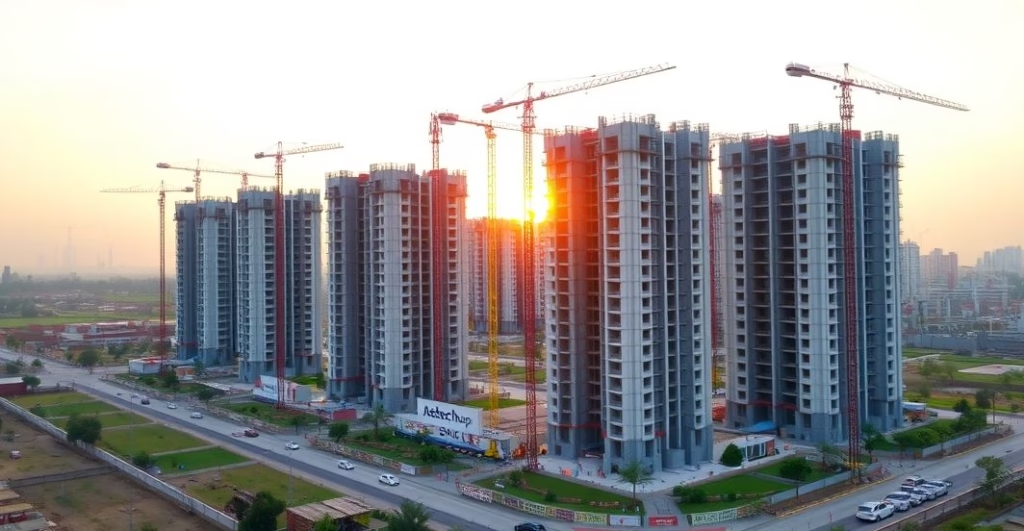
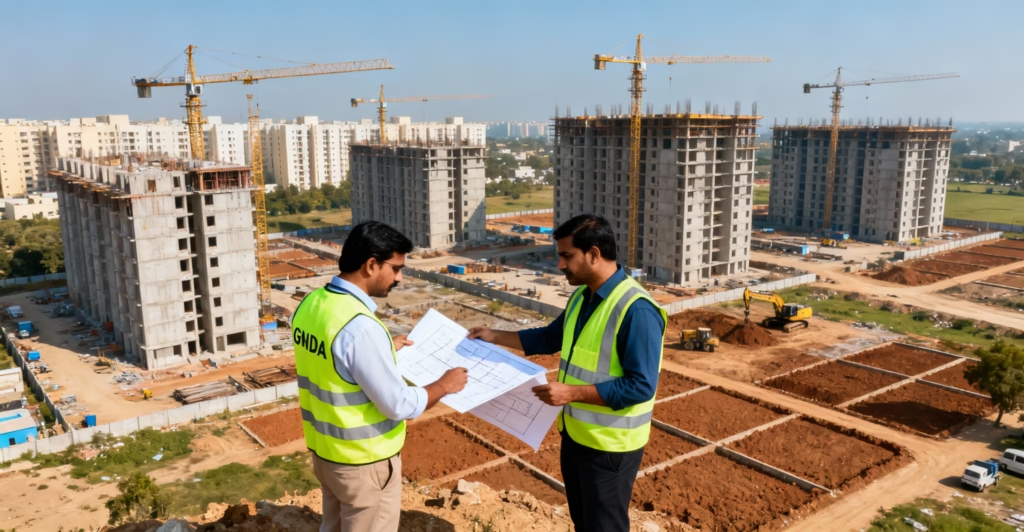
The Greater Noida Industrial Development Authority (GNIDA) has stepped up enforcement to revive stalled residential projects by withdrawing policy benefits from defaulting developers, recovering Rs 1,382 crore so far. The authority has engaged independent consultant Currie & Brown to conduct ground and drone assessments, classify projects by payment and legal status, and chart recovery and completion pathways.
Four project groups: what GNIDA found
GNIDA’s review divides the 98 identified projects into four clear categories: fully paid (with delivery focus), partially paid with progress, projects with only the initial 25% deposited, and projects with no payment. This granular classification helps the authority decide whether to grant extensions, issue recovery certificates, pursue court-approved recoveries, or withdraw all policy benefits.
What buyers and stakeholders should watch
- Physical assessments: Currie & Brown’s drone and site surveys will determine construction progress, outstanding scope, and third-party rights—key inputs for timelines and risk assessment.
- Legal stays: More than half the projects are affected by court orders, particularly where additional farmer compensation is sub judice. GNIDA is exploring modification or clarification petitions to recover what is legally permissible.
- Recovery strategy: Projects that paid in full were given a three-year window to complete. Others face demand notices, recovery certificates, and potential coercive action when legally feasible.
Implications for homebuyers and NRIs
Buyers exposed to stalled or partially completed projects should monitor GNIDA’s site-verification reports and CEO-level follow-ups. If you are an NRI or foreign investor, it’s especially important to perform rigorous checks before purchase — including title review, verification of third-party rights and outstanding dues. For tailored guidance, consider reading about legal due diligence for NRI property buyers in India to understand documentation and recovery risk.
Why developers are being pressured now
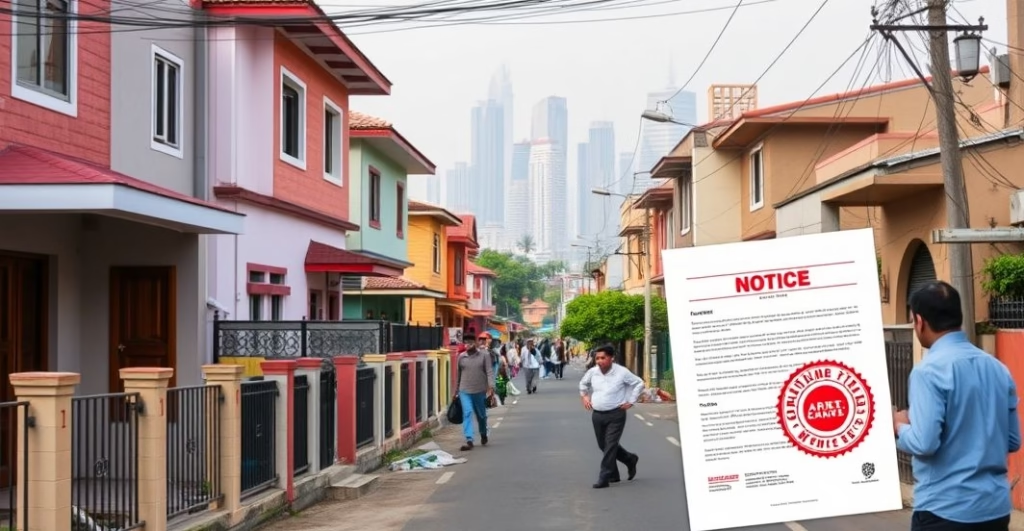
GNIDA’s push reflects a dual objective: deliver homes to buyers and restore faith in the local market. Of the dues identified, a significant portion relates to additional farmer compensation currently stayed by the Allahabad High Court. Excluding stayed amounts, authorities estimate a larger recoverable sum—leading to intensified engagement, demand notices, and negotiated settlements.
Investment strategy: risks and opportunities
For investors, Greater Noida remains strategically important due to infrastructure-led growth. Projects that clear dues and secure approvals are likely to be prioritized for delivery and resale. If you’re considering new allocations or portfolio adjustments, weigh legal exposure against connectivity and future demand drivers. For example, transport infrastructure and metro expansion are reshaping premium micro-markets—see analysis of delhi metro expansion luxury property hotspots to identify which corridors could outperform as stalled inventory resolves.
How GNIDA’s legal route may affect recovery
Where recovery of additional compensation is stayed, GNIDA has sought legal advice to recover premium, lease rent, and time-extension fees. The proposed tactic is to file modification or clarification petitions to permit recovery of these heads even while additional compensation disputes continue. This approach seeks to balance statutory recovery powers with judicial constraints.
Practical next steps for buyers and small investors
- Track GNIDA notices and Currie & Brown’s assessment updates to verify construction and delivery timelines.
- Request disclosure from developers on dues, stay orders, and third-party assignments before any resale or secondary purchase.
- Engage legal counsel to interpret recovery certificates and understand the implications of a project moving from “benefit” status to “withdrawal and coercive recovery.”
- Consider long-term positioning: use credible guidance on macro trends to future-proof holdings. A useful primer on long-term strategies is future-proof your wealth in Indian real estate 2026, which outlines asset selection and risk mitigation for the evolving market.
What GNIDA’s approach aims to achieve
By categorizing projects, pursuing recoveries where feasible, and prioritizing completion for developers who have paid up, GNIDA aims to unlock inventory, protect buyer interests, and improve market sentiment. Buyers should remain vigilant: when developers fail to meet payment obligations or disclose third-party sales, authorities can withdraw policy protections and pursue recovery actions once legal hurdles are cleared.
Final takeaways
GNIDA’s enforcement drive is a reminder that project due diligence is essential. Whether you are an owner, prospective buyer, or investor, keep abreast of official assessments, court developments, and recovery notices. Timely checks and proactive legal advice can reduce exposure to stalled-project risk and position you to benefit as recovery and completion work accelerates across Greater Noida.
This article was auto-generated as part of a smart content campaign powered by Growwh.com. Curious how we do it? Chat with us to learn more about our content automation systems.